

Let’s drink some tea
It doesn’t taste like raspberries but, it’s taste is still great!
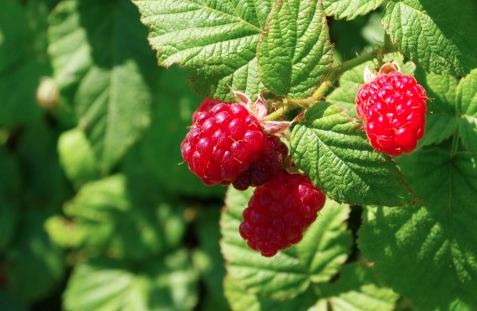
Red Raspberry leaf (Rubus Idaeus) tea is a herbal tea recommended to drink during the third trimester (normal pregnancies), this is also well known as the female herb. Don’t forget to ask your doctor or midwife if you have any questions or concerns.
Health benefits: The Raspberry Leaf Tea contains alkaloid, fragrine which can help strengthen the uterus as well as the pelvic area. Studies says that it can help make labour faster, reduce complications and interventions during birth, women are less likely to receive an artificial rupture of their membranes or having a C section, improves the effectiveness of contractions, reduce pain during labor and delivery and it helps to balance hormones. The female herb has been used since the sixth century in traditional medicine.
There is not straightforward answer related to RRL tea about its efficacy and safety , even though there are a few clinical trials and animal studyies in RRL:
- Bamford et al (1970) carried out an investigation of the effect of a heated raspberry leaf infusion on rat and human uteri. The results of this study showed that, when raspberry leaf extract was placed in contact with strips of rat and human uteri, “the intrinsic rhythm observed over a 20 min period, while the extract remained in contact with the tissue, appeared to become more regular in most cases and contractions were less frequent” (Bamford et al 1970).
The results of this study may be a reason that raspberry leaf tea gained so much popularity, but this small study highlights a couple of concerns. 1st is that the human uteri which were available for testing in this study were all pathological (or diseased). It is, then, impossible to know whether the same effects would be seen in a healthy uterus. The second issue, is the pharmacological route of action tested in the study. Knowing what happens if you soak bits of uterus in raspberry leaf tea it doesn’t take us any closer to knowing what effect drinking raspberry leaf tea has on the uterus. They are completely different routes into the body, it doesn’t mean that raspberry leaf tea isn’t effective, but it shows how we need really specific kinds of studies to demonstrate that.
- The most recent study by Zheng et al in 2010 tested the effects of three commercially available forms of raspberry leaf tea, capsules and ethanol-based tincture on in vitro contractility of uteri collected from an unspecified number of diethylstilbestrol treated non-pregnant and also on late-pregnant rats. In pregnant animals, raspberry leaf tea had variable effects on pre-existing oxytocin-induced contractions, sometimes augmenting oxytocin’s effect and sometimes causing augmentation followed by inhibition. Pre-treatment with tea did not alter the ability of oxytocin to initiate contractions. The tea appeared to be more effective than the tablets or tincture.
- In 1941, Whitehouse inserted an intrauterine bag to obtain and record the effect of 20 to 40 g of raspberry leaf extract on after-pains on only three postpartum women. There were no controls. The main effect observed was that uterine contractions diminished in frequency and strength and secondary contractions were diminished. Contrary to an earlier study by Burn and Withell on pregnant cats, a slight fall in systolic blood pressure was observed. Apart from the 1941 study, there have been no other clinical trials published.
RRL has not proven contraindications neither effectiveness, is caffeine-free and apparently safe to drink. Most forums and reviews show positive comments that helps during labour and the high mineral content helps bring breast milk for many women.
 Healthy mom & baby