

Why choosing a healthier diaper for your baby?
Here is why they are better than traditional diapers.
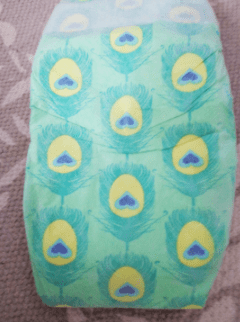
What makes a diaper green/environmentally friendly?
The common characteristic to the green diapers is a preference for environmentally friendlier and/or healthier materials such as:
- Chlorine-free
- Perfume-free
- Dye-free
- Latex-free
- Biodegradable
Green diapers are made with bioplastics (plant-based plastics), these diapers are non-petroleum based and they are highly compostable. While these have been found not to break down under landfill conditions, there are other options to compost them such as using a composting toilet, an earthworm system, or a highly active and properly conditioned composting area. Hybrid diapers, like gDiapers, have removable inserts that can safely biodegrade when flushed, not all of the ‘green’ diapers are flushable, be careful, some of them can contain petroleum gels, so make sure to do your research first.
How do green diapers perform compared to traditional diapers?
Making the choice by choosing one or another has not been easy. Many people have false assumptions about green diaper performance. Green diapers outperformed traditional diapers on absorbency and most other metrics.

The secret sauce inside the absorbent core layer of every diaper is a synthetic material called Super Absorbent Polymer (SAP). This gel sucks up to 300 times it’s weight in water, which is why it is so widely used. Researchers are now making a plant-based SAP in labs, but as far as we know, every diaper in our review likely uses the more time-tested petroleum based SAP.
Based in my research the best diaper in the market that combines quality, performance, chemical free and most similar to cloth diaper it was Bamboo Nature.
The materials used are truly fabric-like, which presents a great fit and soft feel. Bamboo is very eco-friendly, having been awarded and certificated: Nordic Swan Eco-label, The Forest Stewardship Council Label, The Dermatologically Tested Label, Asthma & Allergy Association, ISO 14001 Certification.
The diapers are hypoallergenic and good for baby with no chlorine, dyes, or latex. It does use SAP (All the disposable diapers use this), but with quality construction and materials, the likelihood that your baby will come in contact with the little jelly blobs after wetting is slim compared to other disposables. They have a wetness indicator and the graphics are very cute. If you can afford to pay a little more, this is the best option.
-Bamboo diapers are certified to be 100% free of chemicals and all known allergens. This means that no chemicals are used during raw material sourcing and production, and that there are no toxins on the diaper itself.
-Free of all additives, including dyes, inks, latex, glues, perfumes (even essential oils), preservatives lotions, plant extracts, etc. They have proved they are environmentally friendly.
Abena, the company that produces Bambo diapers, only uses state-of-the-art renewable raw materials. The wood used for the pulp in the diapers is derived from sustainable forestry (where more trees are planted than felled). Tree farms are carbon sinks where the trees absorb CO2 from the air. The company is open and transparent, and they publish a complete list of ingredients, including a Health Certificate and Life Cycle Assessment. They manufacture their products in Denmark with machines that they own and operate. Almost all other “eco-friendly” diapers are made in China.
They work as well as Pampers. They are designed to reduce the likelihood of rash, 100% breathable, highly absorbent, well-fitting, soft, not bulky, and features a wrapped core, which concentrates absorption where it’s most needed, and uses less raw materials by reducing waste. The brand is a signator of the UN Global Compact.
Finally Bambo Nature was rated the #1 Best Diaper in the U.S. by BabyGearLab.com, and the Most Eco-Friendly Diaper at EthicalConsumer.org.
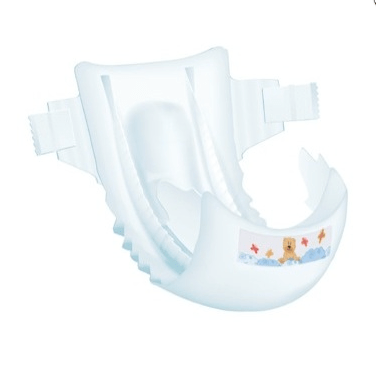
 Healthy mom & baby